Home · Program · Curriculum
B.Tech · CS & AI · 8 semesters

Four years, engineered to compound.

Every year raises the ceiling. Year 1 makes you fluent. Year 2 makes you rigorous. Year 3 makes you industry-ready. Year 4 makes you hireable — and hard to replace.

Industry-oriented advanced curriculum

Four years. Every subject. Nothing hidden.

Pick a year on the left to see exactly what you'll learn, build and walk out with. Same syllabus, same rigour at both campuses.

Early Start

Think like an engineer

Programming, Data structures and algorithms, building web applications using GenAI/Agentic AI and the discipline of building real things.

Subjects
Programming & LogicC++ & Python · Mastering Programming
Web DevelopmentHTML · CSS · JavaScript · MERN Stack
Linux & GitShell · version control · project collaboration
Math for Data scienceDiscrete math · probability · Statistics
Databases (DBMS)SQL · schema design · indexing
Operating SystemsProcesses · threads · memory · IO
Intro to AI ToolsPrompt engineering · AI-assisted coding
Intro to Data SciencePython · Gen AI · Agentic AI
Industry ProjectsBuild 4+ applications, end-to-end
Tech stack
C++PythonMERNGit & GitHub VS CodeLinuxCopilotFigmaMathsData Structures and AlgorithmsOpen source
You'll walk out with
  • 4+ projects Web applications and GenAI
  • Strong GitHub profile
  • 350+ problems solved
  • Great chances to crack GSOC and Top Hackathons
  • ACM-ICPC Participation
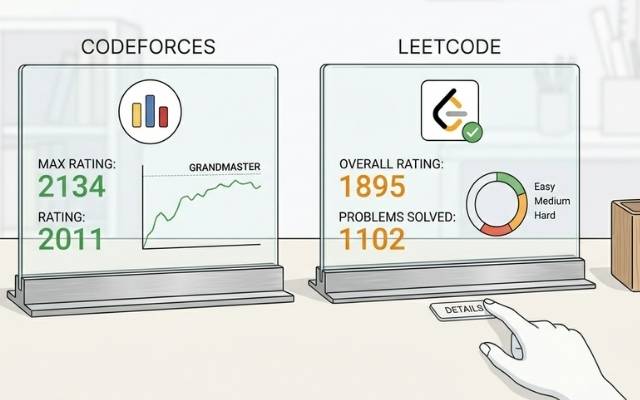
  • Profile building on Codeforces and Leetcode
What you'll build

Personal portfolio site
Project

Personal portfolio site

F1 Podcast Summary Project
Project

F-1 Podcast Summary Project

AI note-taking app
Project

AI note taking app

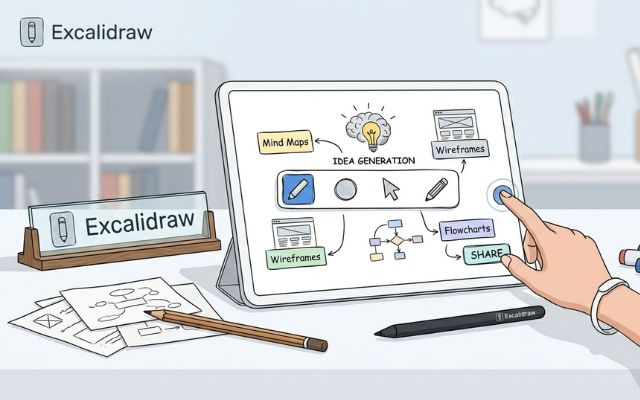
Excalidraw Drawing Application Project
Project

Excalidraw

CodeChef · Codeforces
Ratings

CodeChef · Codeforces

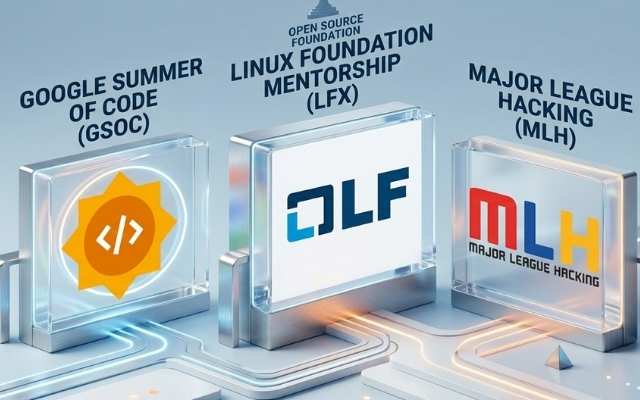
GSOC/LFX/MLH (contributor)
Competition

GSOC/LFX/MLH

Smart India Hackathon (SIH)
Competition

Smart India Hackathon (SIH)

Watch lectures Toy assignments You ship real code

You’ll be on the developing side of things —
not watching slides.

This isn’t a program where you learn theory, then “maybe try it later”. You’re writing production-grade code from Week 1 — pushing to Git, deploying to the cloud, getting your code reviewed by practising engineers.

0+
Real projects shipped by graduation
0+
Git commits every week, reviewed
0+
Live deployments & demos
  • Every assignment is a shippable piece of software. No PDF submissions. No dummy CSV problems.
  • Real stacks, real tools. Git, VS Code, cloud deployments, CI — the same toolchain you’ll use in your first job.
  • Your code is reviewed weekly by practising engineers — not graded by a rubric.
Adaptive curriculum

A curriculum that evolves with the industry — not the textbook.

Tech moves. Our curriculum moves with it. Every year, we review the entire syllabus with practising engineers, alumni and hiring partners — and rebuild the parts the industry has moved past.

Step 01

Annual review

The full curriculum is reviewed every academic year by a committee of CB mentors, alumni and industry advisors.

Step 02

Signals from industry

We track what hiring partners are asking for, what alumni are shipping, and where the frontier is moving.

Step 03

Modules refreshed

New modules are added, outdated ones are retired, and existing ones are rebuilt — with projects, not just lectures.

Step 04

Students test it live

Student feedback, project outcomes and placement results feed the next review. The loop never stops.

Recently updated
What you’ll learn

Eight domains. One modern engineer.

Every domain below is covered across all four years — and every one of them is something you actually build with. You don’t “study” these topics; you use them in real projects, get your code reviewed, and ship them to users.

Domain · 01

DSA & Problem Solving

The problem-solving muscle that defines every good engineer — from the basics to advanced patterns.

Core DSAAdvanced patternsContests
Covered Across the degree
Domain · 02

Full-Stack Web Development

From your first web page to modern production apps — frontend, backend, databases, auth and deployment.

FrontendBackendAPIsDeployment
Covered Across the degree
Domain · 03

AI & Machine Learning

From Python and data science to applied ML, NLP and deep learning — always anchored in real, hands-on projects.

Applied MLNLPDeep Learning
Covered Across the degree
Domain · 04

Generative AI & LLMs

Prompt engineering, GenAI workflows, LLM applications and the modern AI toolchain — kept current every year.

Prompt engineeringLLM appsRAG
Covered Across the degree
Domain · 05

Systems & Databases

How software actually runs — operating systems, networks, databases and the system-design thinking behind real products.

OSNetworksDatabasesSystem design
Covered Across the degree
Domain · 06

Data Science & Analytics

Work with real data — statistics, data handling, analytics and end-to-end data projects.

StatisticsData handlingAnalytics
Covered Across the degree
Domain · 07

Cybersecurity & Blockchain

How systems are attacked and defended, and how decentralised systems actually work under the hood.

AppSecWeb3Smart contracts
Covered Across the degree
Domain · 08

DevOps, Cloud & Enterprise

Cloud-native engineering, DevOps, and enterprise stacks — the production edge that makes graduates industry-ready.

DevOpsCloudEnterprise stacks
Covered Across the degree
Graduation profile

What you walk out with on Day One of your career.

Four years of practical learning, compounding into something measurable. Not a promise — a pattern we’ve seen across a decade at Coding Blocks.

0+
Shippable projects in your portfolio
0+
Problems solved across DSA, projects & contests
0+
Real industry internships under your belt
0
Deep capstone in your chosen specialisation
Mentor-led, not graded

Your code gets reviewed every week.

Every student has a mentor assigned to them — a practising engineer from a product company. They look at your actual code. They comment on it. They push you. This is the single biggest reason CB alumni are different.

  • 1:15 mentor-to-student ratio — no one falls through the cracks.
  • Line-by-line code review — real engineering feedback, not a tick-box rubric.
  • Weekly 1:1 time — scoped to your project, your goals, your career.
Curriculum brochure

Get the full curriculum deck on your desk.

A detailed 40-page PDF covering the curriculum, learning model, project portfolio, career architecture, campuses, fees and the admission process. Useful for both students and parents.

  • Full semester-by-semester curriculum breakdown
  • Project portfolio & sample capstones
  • Career architecture & placement process
  • Fee structure, scholarships & laptop policy